
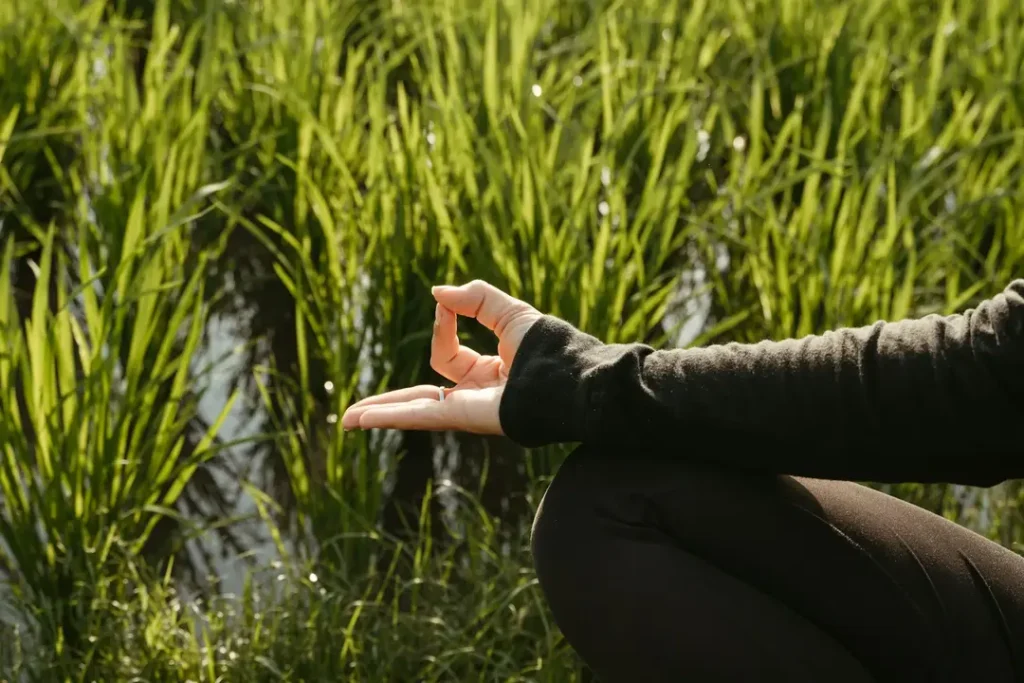
Rest Is Not a Luxury

In South Africa we joke about “a long December, January” that strange stretch where the year slows down, the city feels lighter, and something in us exhales. In places like Cape Town, surrounded by beauty, movement, music, and amazing beaches, rest almost feels accessible. But then January passes. Work resumes. Life speeds up. And rest quietly slips back out of reach. Or so we think.
In our conversation on The Human Story, we realised something important: rest is not something reserved for holidays, seasons, or special moments. Rest is available to anyone if we make it a practice.
One of the biggest misunderstandings about rest is that it simply means sleep. Sleep matters, deeply. But rest is far more layered than that. Rest can look like movement instead of stillness. It can look like stillness instead of productivity. Sometimes rest is doing less. Other times it’s doing something different.
For some, rest begins outdoors time in nature, walking without urgency, letting the body recalibrate. For others, rest starts with boundaries, choosing what to say no to so that space can exist at all. Sometimes rest is allowing yourself to do nothing without guilt. Other times it’s gentle movement that helps release energy trapped in the nervous system.
What became clear in the episode is this: we don’t rest just to recharge for the next task. We rest because it’s part of being human. Rest is not preparation for productivity it is restoration for presence.
When we live constantly activated mentally busy, emotionally stretched, socially overcommitted we begin to function in survival mode. We become reactive instead of responsive. Irritable instead of grounded. Disconnected instead of compassionate. Rest helps return us to ourselves.
There are many doorways into rest:
- Physical rest- both passive (sleep, stillness) and active (intentional movement)
- Mental rest- stepping out of constant thinking, lists, and noise
- Emotional rest- naming what we feel instead of holding it in
- Social rest- choosing solitude or safe connection
- Creative rest- engaging imagination without pressure
- Spiritual rest- stillness, prayer, reflection, or contemplation
- Sensory rest- reducing overstimulation
You don’t need to do all of these. You only need to notice where you’re most tired.
Rest doesn’t arrive by accident. It arrives through intention. Through small, repeated choices. Through honesty about limits. Through listening to your body, your mind, and your relationships.
And perhaps most importantly, rest grows when we stop seeing it as something we must earn.
Rest is not a reward. It is a rhythm and with practice, it becomes a way of life.
Don't just listen, reflect.
If this episode stirred something in you, download the worksheet and continue your journey inward.A guided 3-page reflection to help you find where you're most depleted, listen to your body and plan one intentional act of rest.